
Garment knowledgePractical
2026年1月7日
Will This Garment Pill?
“Will it pill?” is one of the most common and reasonable questions customers ask when choosing apparel. From a professional textile perspective, pilling is not simply a quality defect, but a physical phenomenon influenced by fiber properties, yarn structure, fabric construction, and wearing conditions.
1. What Is Pilling?
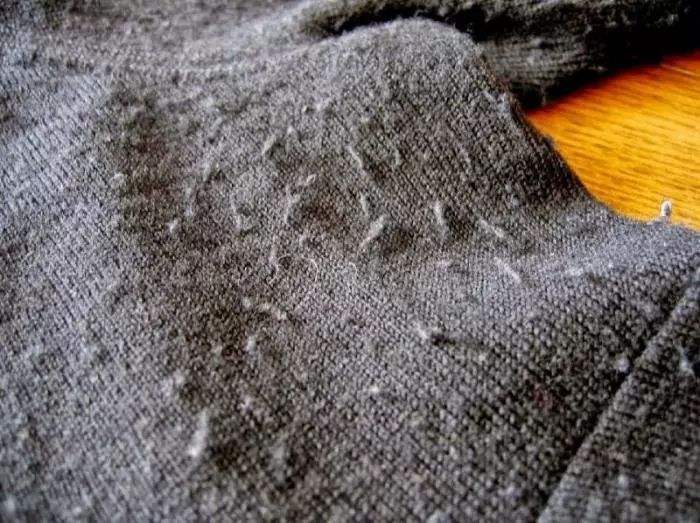
Pilling refers to the formation of small fiber balls on the surface of a fabric caused by friction during wear or washing.
The pilling process generally occurs in four stages:
- Loose fiber ends appear on the surface
- Friction pulls fibers outward
- Fibers entangle to form pills
- Pills either remain attached or fall off
The visibility and severity of pilling depend on how easily fibers are released and how strongly the pills remain attached to the fabric.
2. Fiber Composition and Its Impact on Pilling
Cotton Fibers
- Fiber type: Natural staple fiber
- Pilling tendency: Moderate
- Professional insight: Cotton fibers are relatively short and soft, which may allow slight surface fuzz under friction. However, cotton pills tend to break off naturally over time, making them less persistent and less visually noticeable compared to synthetic fibers.
Lace or Decorative Fabrics
- Structure: Fine yarns, complex construction
- Pilling tendency: Dependent on yarn quality and density
- Professional insight: High-quality lace made with well-twisted or long fibers maintains better surface stability and shows a lower risk of pilling during normal wear.
Synthetic Fibers (e.g. Polyester)
- Fiber strength: High
- Pilling behavior: Pills are more durable
- Professional insight: Synthetic fibers do not break easily. Once pills form, they tend to remain attached to the fabric surface, making pilling appear more obvious and long-lasting.
Conclusion:
Pilling is not exclusive to natural fibers. In fact, cotton-based fabrics usually pill less noticeably over time than synthetic fabrics, as pills are more likely to detach.
3. Yarn, Fabric Construction, and Weight
Yarn Structure
- High-twist yarns: More compact, better resistance to pilling
- Low-twist or loose yarns: Softer hand feel but more prone to surface fuzz
Fabric Weight (e.g. 400gsm)
- Heavier fabrics typically offer:
- Tighter construction
- Greater structural stability
- Better abrasion resistance
A 400gsm cotton-based sweatshirt fabric is considered relatively dense and durable within its category, helping reduce excessive pilling when produced with proper finishing techniques.
Finishing Processes
Professional garments often incorporate:
- Singeing to remove surface fibers
- Anti-pilling treatments
- Pre-shrinking and heat setting
These processes significantly improve surface durability and long-term appearance.
4. Wear and Care Conditions Matter
Even premium fabrics may develop light pilling under certain conditions:
- Continuous friction from backpacks or crossbody bags
- Contact with rough or hard surfaces
- Frequent washing or aggressive wash cycles
Common high-friction areas include:
underarms, side seams, sleeves, and back panels.
5. Professional Assessment
Based on the fabric composition, weight, and standard garment finishing:
- ✔ The garment is not expected to show heavy or widespread pilling under normal wear
- ✔ Minor surface fuzz or localized pilling may occur over time, which is considered normal for cotton-based apparel
- ✔ With correct care, the garment will maintain a clean and refined appearance for long-term use
6. Care Recommendations to Minimize Pilling
- Wash inside out
- Use a laundry bag
- Select gentle wash cycles
- Avoid high-temperature drying
- Reduce friction with rough accessories
Summary
Pilling is a natural result of fiber behavior and daily wear, not an indicator of poor quality.
Well-selected cotton fabrics, proper yarn construction, and professional finishing ensure a balance between comfort, softness, and durability.
With correct wear and care, this garment is designed to retain its appearance and performance over time.Professional Fabric Analysis: Will This Garment Pill?
“Will it pill?” is one of the most common and reasonable questions customers ask when choosing apparel. From a professional textile perspective, pilling is not simply a quality defect, but a physical phenomenon influenced by fiber properties, yarn structure, fabric construction, and wearing conditions. Below is a clear and factual explanation.
1. What Is Pilling?
Pilling refers to the formation of small fiber balls on the surface of a fabric caused by friction during wear or washing.
The pilling process generally occurs in four stages:
- Loose fiber ends appear on the surface
- Friction pulls fibers outward
- Fibers entangle to form pills
- Pills either remain attached or fall off
The visibility and severity of pilling depend on how easily fibers are released and how strongly the pills remain attached to the fabric.
2. Fiber Composition and Its Impact on Pilling
Cotton Fibers
- Fiber type: Natural staple fiber
- Pilling tendency: Moderate
- Professional insight: Cotton fibers are relatively short and soft, which may allow slight surface fuzz under friction. However, cotton pills tend to break off naturally over time, making them less persistent and less visually noticeable compared to synthetic fibers.
Lace or Decorative Fabrics
- Structure: Fine yarns, complex construction
- Pilling tendency: Dependent on yarn quality and density
- Professional insight: High-quality lace made with well-twisted or long fibers maintains better surface stability and shows a lower risk of pilling during normal wear.
Synthetic Fibers (e.g. Polyester)
- Fiber strength: High
- Pilling behavior: Pills are more durable
- Professional insight: Synthetic fibers do not break easily. Once pills form, they tend to remain attached to the fabric surface, making pilling appear more obvious and long-lasting.
Conclusion:
Pilling is not exclusive to natural fibers. In fact, cotton-based fabrics usually pill less noticeably over time than synthetic fabrics, as pills are more likely to detach.
3. Yarn, Fabric Construction, and Weight
Yarn Structure
- High-twist yarns: More compact, better resistance to pilling
- Low-twist or loose yarns: Softer hand feel but more prone to surface fuzz
Fabric Weight (e.g. 400gsm)
- Heavier fabrics typically offer:
- Tighter construction
- Greater structural stability
- Better abrasion resistance
A 400gsm cotton-based sweatshirt fabric is considered relatively dense and durable within its category, helping reduce excessive pilling when produced with proper finishing techniques.
Finishing Processes
Professional garments often incorporate:
- Singeing to remove surface fibers
- Anti-pilling treatments
- Pre-shrinking and heat setting
These processes significantly improve surface durability and long-term appearance.
4. Wear and Care Conditions Matter
Even premium fabrics may develop light pilling under certain conditions:
- Continuous friction from backpacks or crossbody bags
- Contact with rough or hard surfaces
- Frequent washing or aggressive wash cycles
Common high-friction areas include:
underarms, side seams, sleeves, and back panels.
5. Professional Assessment
Based on the fabric composition, weight, and standard garment finishing:
- ✔ The garment is not expected to show heavy or widespread pilling under normal wear
- ✔ Minor surface fuzz or localized pilling may occur over time, which is considered normal for cotton-based apparel
- ✔ With correct care, the garment will maintain a clean and refined appearance for long-term use
6. Care Recommendations to Minimize Pilling
- Wash inside out
- Use a laundry bag
- Select gentle wash cycles
- Avoid high-temperature drying
- Reduce friction with rough accessories
Summary
Pilling is a natural result of fiber behavior and daily wear, not an indicator of poor quality.
Well-selected cotton fabrics, proper yarn construction, and professional finishing ensure a balance between comfort, softness, and durability.
With correct wear and care, this garment is designed to retain its appearance and performance over time.