Jun 26, 2026Industry Insights
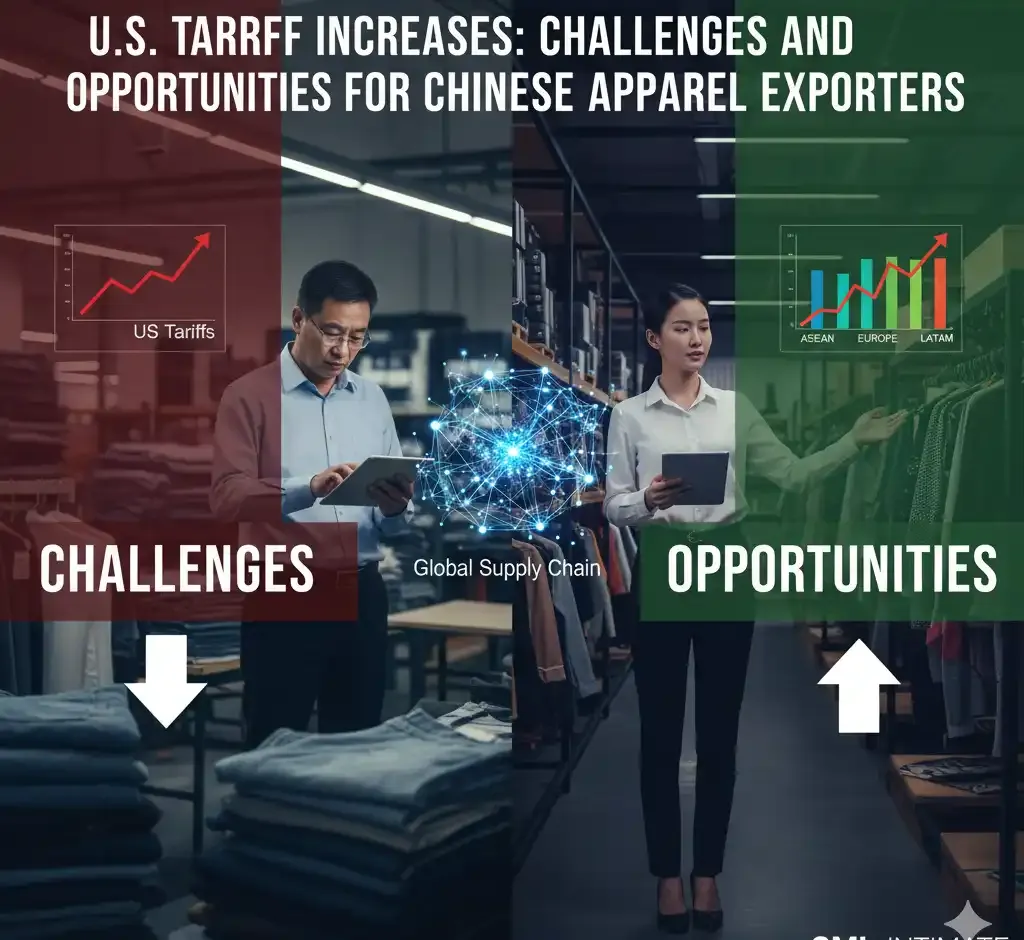
U.S. Tariff Increases: Challenges and Opportunities for Chinese SMEs in Apparel Export
Learn how Chinese small and medium-sized apparel exporters can overcome U.S. tariff challenges by adjusting products, exploring new markets, and forming strategic partnerships.
Author: Connor Ma, International Trade Analyst with 10 years of experience in global apparel exports and supply chain strategy.
Published by: SML Intimate Research Department
Introduction
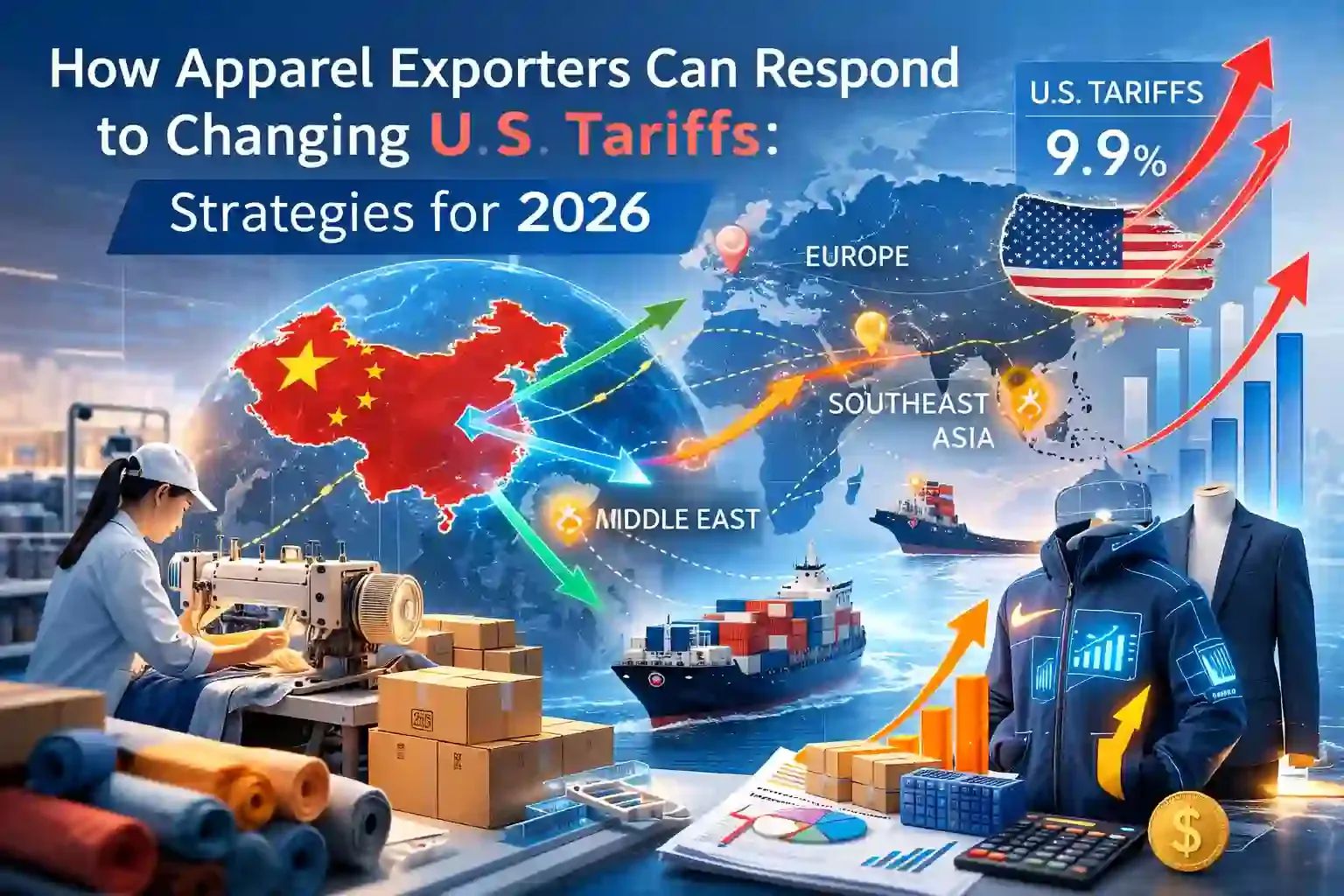
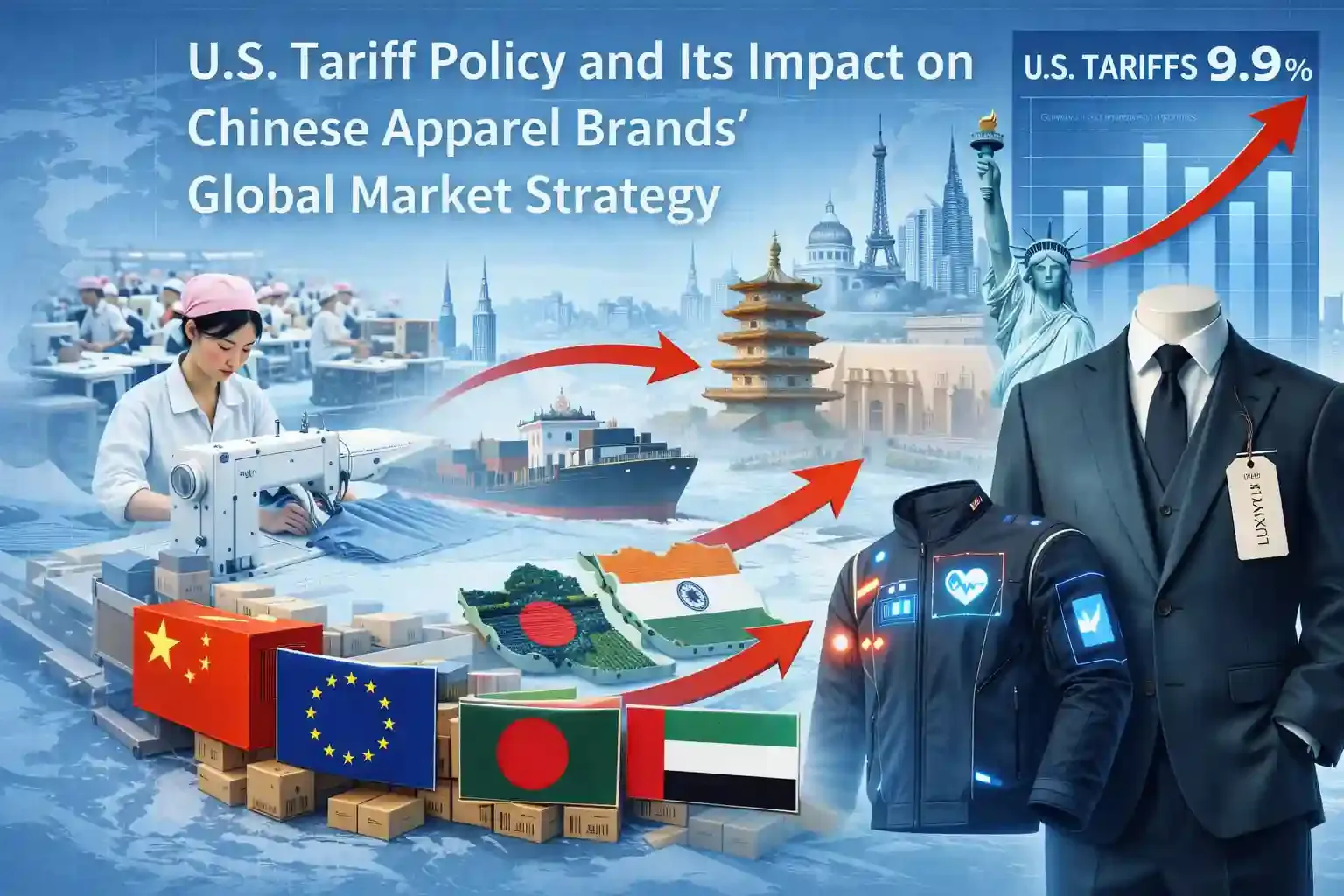
Since 2018, U.S. tariffs on Chinese goods, including apparel, have steadily increased, significantly affecting small and medium-sized enterprises (SMEs) in China’s apparel sector. By 2025, the average U.S. tariff on Chinese apparel imports reached approximately 10% (U.S. International Trade Commission, 2025), creating both challenges and opportunities for SMEs to adapt their strategies for global competitiveness.
This report provides a data-driven analysis of these challenges and outlines actionable strategies that SMEs can implement to navigate the evolving trade environment.
1. Challenges for Chinese SMEs in Apparel Export
1.1 Profitability Pressure
SMEs often operate on tight margins and lack the financial resilience of larger firms. According to the U.S. Census Bureau (2025), U.S. imports of Chinese apparel decreased by 22% year-over-year, disproportionately affecting small exporters of basic garments such as T-shirts, jeans, and sweatshirts. These companies face significant cost pressures due to higher tariffs, reducing their competitiveness in the U.S. market.
1.2 Limited Market Diversification
Many SMEs rely heavily on U.S. orders due to established supply chains and market familiarity. Rising tariffs reduce their market access, making revenue streams more volatile. Unlike larger corporations, SMEs cannot quickly pivot production or distribution to other regions without strategic planning.
2. Strategic Adaptation: Product and Market Diversification
2.1 Adjusting Product Structure
SMEs can improve profitability by focusing on higher-value, differentiated products that justify premium pricing. Industry reports (World Trade Organization, 2024) show growing global demand for technical apparel, smart fabrics, and eco-friendly clothing, which are less price-sensitive and offer higher margins.
- High-Value Apparel: SMEs can develop specialized clothing, including performance wear, smart textiles, and sustainable fabrics. Customization allows them to target niche markets and reduce competition on price alone.
- Diversification: Expanding product lines to include high-end garments or accessories reduces dependency on tariff-sensitive basic apparel.
2.2 Exploring Alternative Markets
With U.S. demand declining, SMEs can target emerging markets in Southeast Asia, Africa, and Latin America. UNCTAD projections indicate that the African middle class is expected to grow by approximately 10% annually from 2025 to 2030, representing an expanding market for affordable, high-quality apparel.
- Strategic Partnerships: Forming joint ventures or collaborating with local manufacturers in these regions can help SMEs circumvent tariffs while maintaining product quality and supply chain control.
- Regional Trade Agreements: Leveraging agreements such as the RCEP (Regional Comprehensive Economic Partnership) provides duty-free or reduced-tariff access to member countries, helping SMEs mitigate reliance on the U.S. market.
3. Navigating Trade Policies and Compliance
SMEs must remain agile in navigating regional trade policies to avoid penalties and optimize export strategies.
- Free Trade Agreements (FTAs): Utilizing FTAs with Europe and Southeast Asia can reduce or eliminate tariffs, providing alternative revenue streams.
- Compliance: Staying up to date with customs regulations, labeling requirements, and tariff changes in target markets is critical for smooth operations and risk mitigation.
Conclusion
The ongoing increase in U.S. tariffs presents notable challenges for Chinese SMEs in apparel export. However, by adopting a strategic approach—adjusting product structures, exploring high-value or niche markets, forming strategic partnerships, and leveraging trade agreements—SMEs can overcome these challenges and continue to thrive in a complex global trade environment.
References:
- U.S. International Trade Commission (2025). U.S. Imports of Apparel: Trends and Tariff Analysis.
- U.S. Census Bureau (2025). Foreign Trade Statistics.
- World Trade Organization (2024). Global Apparel Trade Report.
- United Nations Conference on Trade and Development (UNCTAD, 2025). Emerging Markets Apparel Outlook.