Jun 26, 2026Case Studies
The Rise of Minimalist Loungewear: A Practical Guide for B2B Apparel Brands
Explore the rise of minimalist loungewear brands, highlighting comfort, premium fabrics, clean designs, and market opportunities for B2B apparel brands.
Author: Connor Ma, International Trade Analyst with 10 years of experience in global apparel exports and supply chain strategy.
Published by: SML Intimate Research Department
Introduction: Why B2B Brands Are Searching for This Topic
As consumer lifestyles shift toward comfort, versatility, and sustainability, minimalist loungewear has become a growing trend in premium casual apparel. B2B apparel brands, sourcing managers, and fashion startups are asking:
- What defines minimalist loungewear, and why is it popular?
- How can I adjust my product lines to meet this trend?
- What fabrics, design choices, and sourcing strategies will appeal to today’s consumers?
- How can my brand stand out in a crowded market?
This guide answers these questions with data-driven insights, actionable strategies, and market opportunities, helping B2B brands adapt and thrive.
1. Key Characteristics of Minimalist Loungewear
Consumer Search Intent: “What features make minimalist loungewear appealing?”
Answer for B2B Brands: Minimalist loungewear prioritizes comfort, style, and durability. Successful products often include:
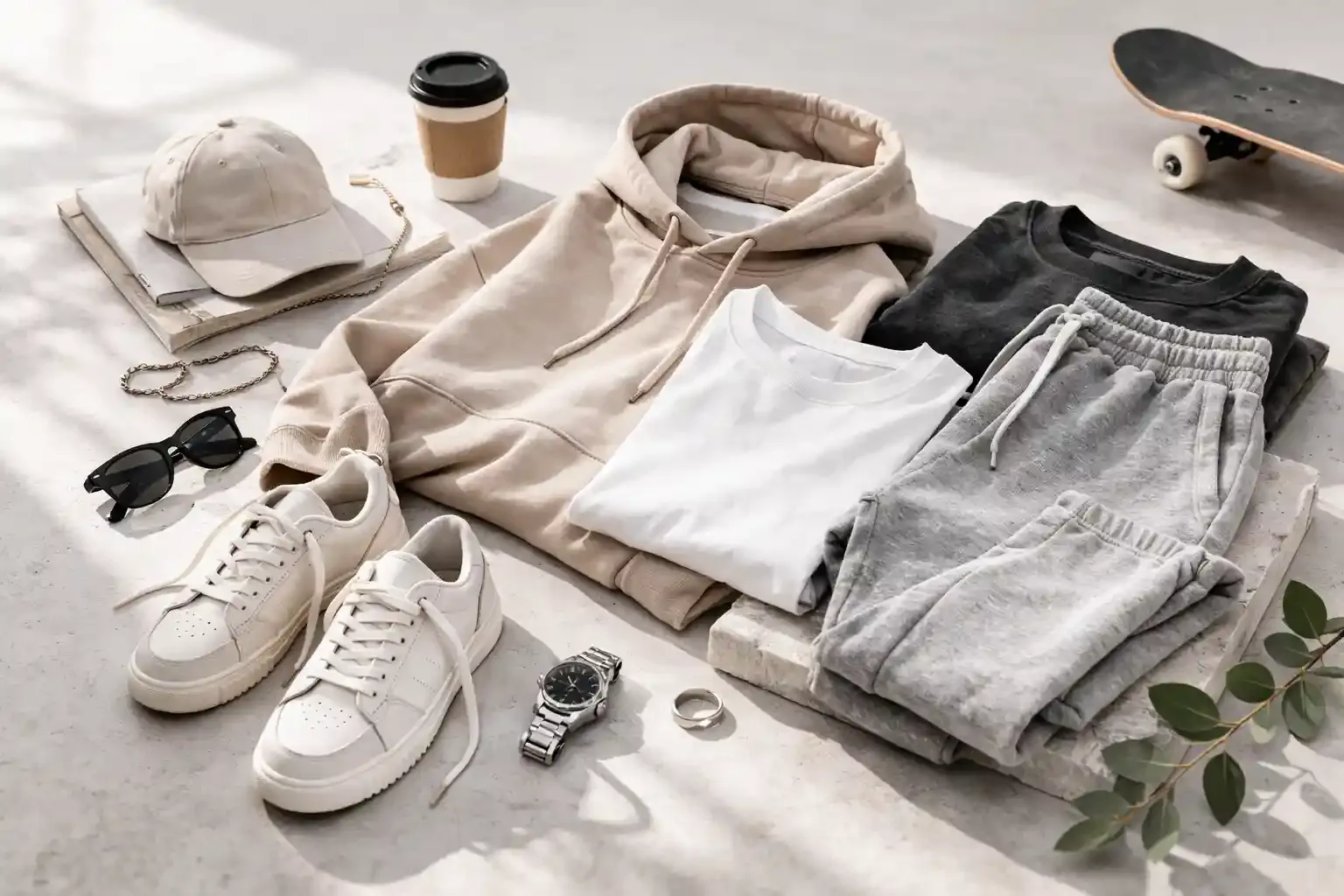
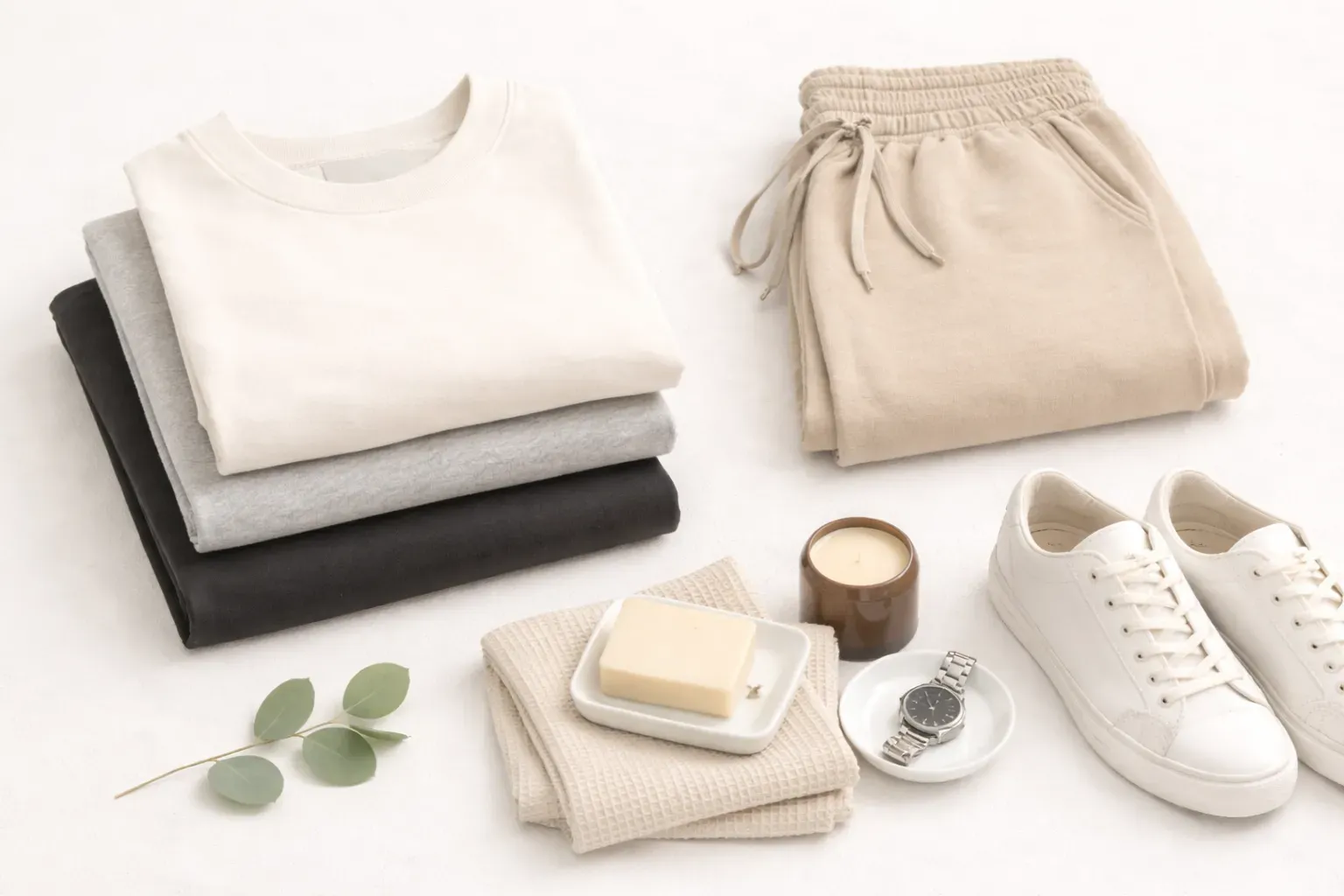
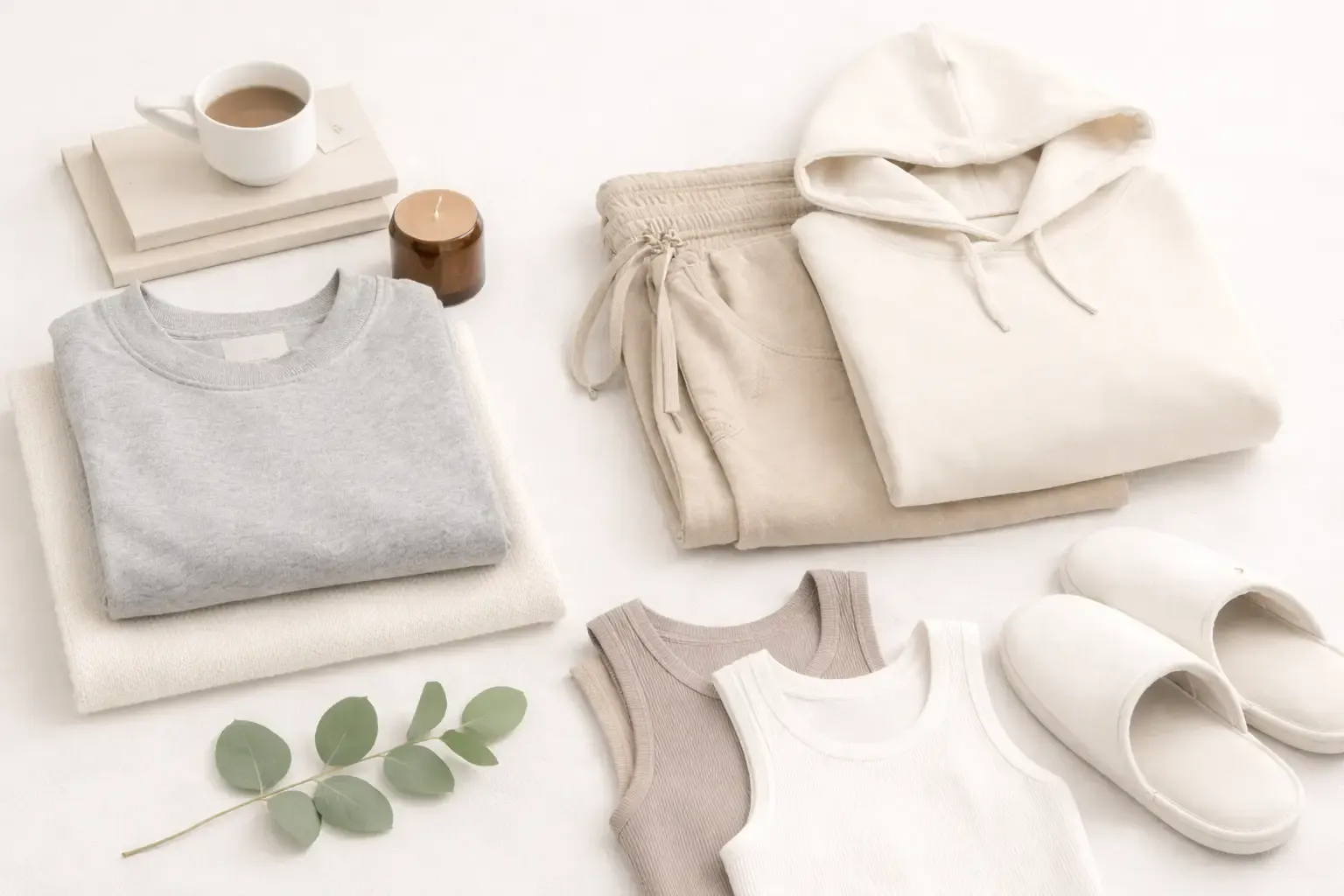
- Neutral Colors: Beige, gray, soft pastels – colors that appeal to a wide demographic and support mix-and-match wardrobes.
- Clean Silhouettes: Relaxed, boxy, and oversized fits that balance comfort with modern aesthetics.
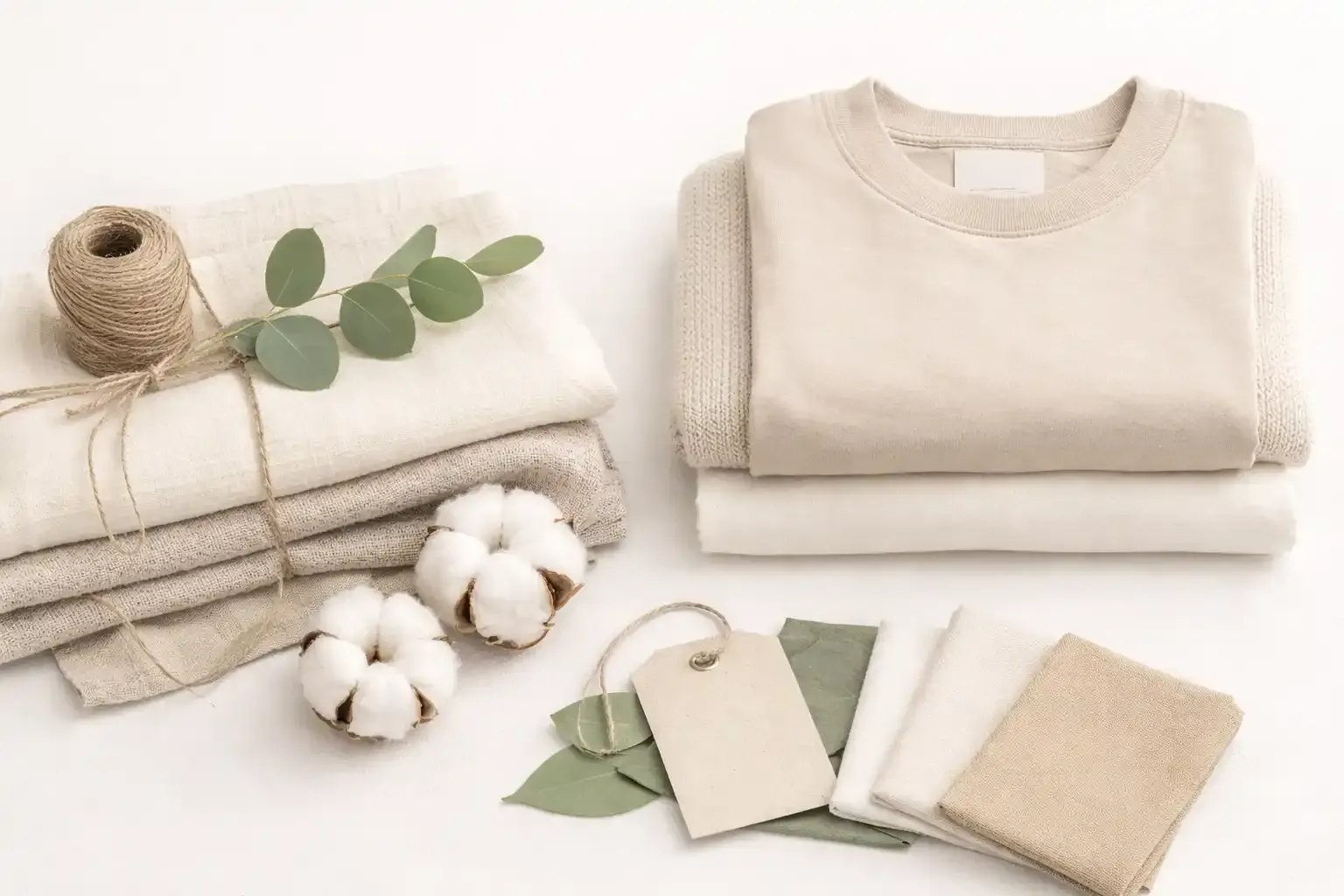
- Premium Fabrics: Brushed cotton, heavyweight knits, soft fleece – durable, high-quality materials justify higher price points and brand positioning.
Customer Benefit: Knowing these characteristics helps brands design SKUs that meet consumer expectations, reducing the risk of unsold inventory.
Reference: Vogue Business, Casualwear Market Trends, 2025.
2. Understanding the Consumer Behavior Shift
Consumer Search Intent: “Why are customers buying minimalist loungewear now?”
Insight for Brands: Lifestyle changes such as remote work and casual dressing have altered consumer priorities:
- Increased Home and Casual Lifestyle Adoption: 2025 Nielsen data shows 60% of consumers purchase more comfort-focused apparel for work-from-home situations.
- Preference for Versatility: Consumers want pieces that work at home and in public.
- Willingness to Invest in Quality: Shoppers are paying premiums for long-lasting, durable staples.
Actionable Takeaway: Brands should focus on versatile, high-quality items to meet evolving consumer demands. Highlighting durability and multi-functionality in product descriptions or marketing materials can drive higher conversion.
3. Brand Strategies Driving Growth
Consumer Search Intent: “How are successful brands capitalizing on this trend?”
Strategy Insights for B2B Brands:
- Fewer SKUs, Higher-Quality Fabrics: Simplifies inventory management while emphasizing premium quality.
- Simplified Design: Reduces production complexity and cost while enhancing brand cohesion.
- Ethical Sourcing and Sustainable Fabrics: Growing segment of conscious consumers value sustainability; brands emphasizing this can increase loyalty.
Implementation Example: Partner with suppliers offering custom knit fabrics or organic cotton. Highlight sustainability certifications to attract conscious buyers.
Customer Benefit: Brands that execute these strategies can differentiate in a competitive market, improving both margins and customer retention.
Reference: McKinsey Fashion Report, 2025 – Sustainable Apparel Trends.
4. Market Opportunities for B2B Brands
Consumer Search Intent: “Where are the opportunities to sell minimalist loungewear?”
Actionable Insights:
- Premium Positioning: Loungewear commands higher margins than mass-market casualwear.
- Factory Collaboration: Working with suppliers offering private label and custom fabric options allows differentiation.
- Rising Global Demand: Particularly strong in North America and Europe, with e-commerce accelerating adoption.
Customer Benefit: Understanding these opportunities helps B2B brands prioritize markets, optimize SKUs, and scale efficiently.
5. Conclusion: How Brands Can Capitalize on Minimalist Loungewear
Minimalist loungewear is more than a trend – it reflects a shift toward comfort, versatility, and sustainability. B2B brands that act strategically can benefit by:
- Focusing on Premium Fabrics: High-quality materials support higher margins and consumer trust.
- Prioritizing Clean Silhouettes: Designs that are versatile, timeless, and easy to produce.
- Implementing Ethical Sourcing: Sustainability resonates with conscious consumers and strengthens brand authority.
- Targeting Growth Markets: North America and Europe remain primary opportunities, with e-commerce enabling broader reach.
By integrating these strategies, brands can meet current consumer demand, differentiate in a competitive market, and capture long-term growth.
References:
- Vogue Business (2025). Casualwear Market Trends: Minimalism and Comfort.
- Nielsen Consumer Insights (2025). Work-from-Home Apparel Spending Patterns.
- McKinsey & Company (2025). Sustainable Apparel Trends Report.
- Statista (2025). Global Loungewear Market Growth by Region.