Oct 1, 2026Manufacturing & Quality
Double-Brushed Thermal Knit: What Brands Should Confirm Before Production
Double-brushed thermal knit is a finishing choice, not a complete fabric specification. Learn what to confirm about base fabric, brushing intensity, pilling and hand feel before production.
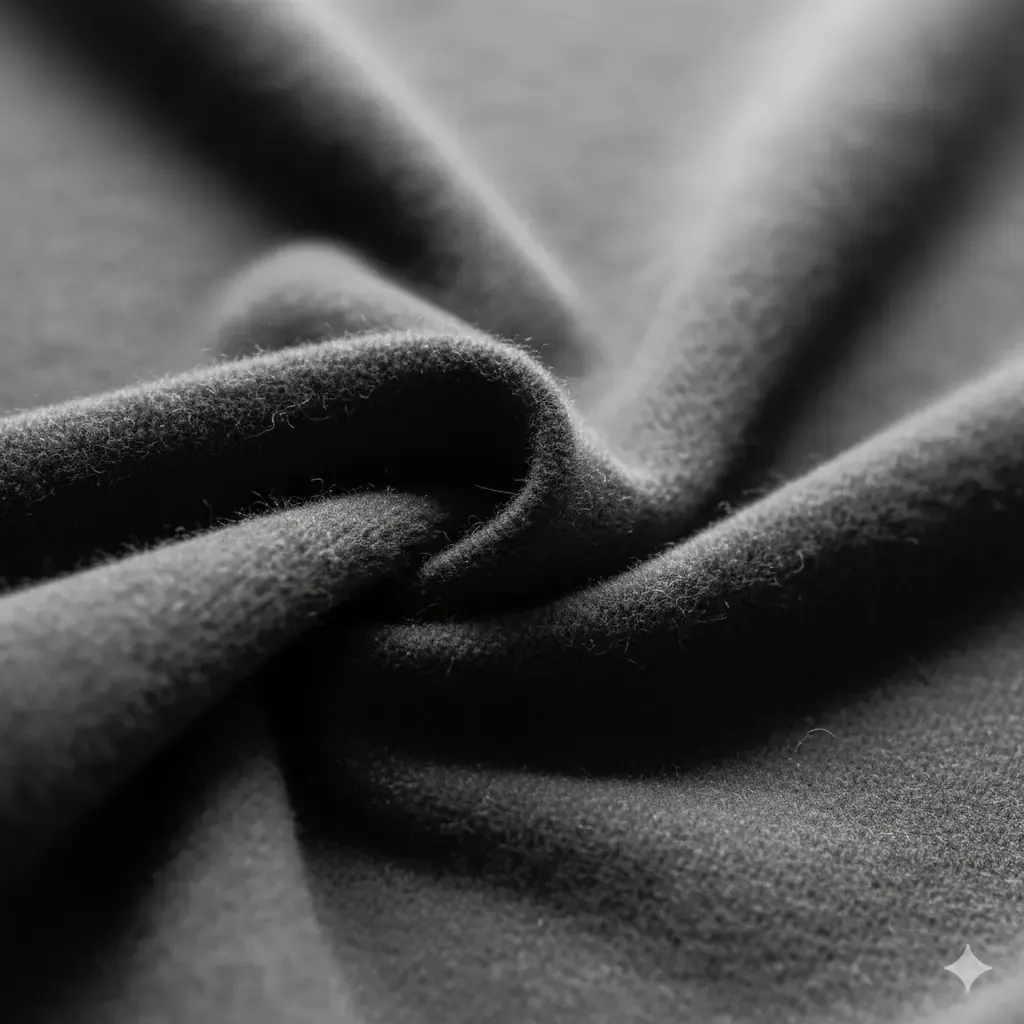
Buyers often tell us: "I want a soft brushed thermal fabric like this." But "soft," "warm," and "brushed" are not specifications. Two knits described the same way can perform completely differently depending on the base fabric, brushing intensity, and finishing. This guide explains what to confirm before developing a double-brushed thermal garment.
"Brushed" Is a Finish, Not a Complete Fabric Specification
Brushing is a mechanical finishing process that raises surface fibers to create a soft, fuzzy texture. It is applied to a base knit — not a knit structure itself.
Telling the factory "double-brushed thermal" describes the surface treatment but leaves out everything the factory needs to actually develop the fabric: the base knit structure, composition, weight, stretch, and intended garment. Without those details, the factory will choose for you — and you may not get the result you expected.
Start with the Garment You Are Developing
The brushing requirement changes depending on what you are making. A pajama set, a fitted thermal top, a pair of leggings, and a lounge dress each need different combinations of thickness, stretch, drape, warmth, and opacity.
Before discussing brushing, define the garment: what it is, who it is for, how fitted or loose it should be, and what season it targets. From there, the factory can recommend a base fabric that supports the brushing effect you want.
Decide the Base Fabric Before Deciding the Brushing
The same brushing intensity produces different results on different base fabrics. Brushing a lightweight jersey creates a soft, thin surface. Brushing a heavyweight interlock creates bulk and warmth. Brushing a fabric with elastane changes how the nap lies and how it recovers after washing.
Before confirming the brushing, confirm the base fabric: knit structure, composition, weight, and stretch. The brushing is applied to that foundation — it cannot compensate for a base fabric that does not suit the garment.
Light Brushing and Heavy Brushing Do Not Give the Same Result
Brushing intensity is a controllable variable. Light brushing raises a fine nap — the fabric keeps a cleaner surface appearance, less bulk, and more defined structure. Heavy brushing raises more fiber — the fabric feels softer and warmer but gains bulk, loses surface definition, and may show more fuzz.
Neither is "better." A light brush suits garments where drape and clean appearance matter. A heavy brush suits garments where warmth and softness are the priority. Tell the factory what your garment needs and confirm the brushing intensity on a physical sample.
Double-Brushed Does Not Automatically Mean Better Quality
Double brushing raises fibers on both sides of the fabric. This increases softness and warmth but also increases the risk of surface fuzz, fiber loss during washing, and changes in dimensional stability.
More brushing is not a quality upgrade. It is a design choice that trades surface appearance and durability for immediate softness and warmth. The right level depends on the garment, the target market, and the fabric's end use — not on the assumption that "more is premium."
Why Pilling Starts with the Base Fabric, Not Just the Brushing
Brushing raises fibers, which can contribute to pilling. But the base fabric determines how much the fabric pills in the first place. Yarn quality, fiber type, knit density, and twist level all affect whether the raised fibers break, tangle, and form pills after washing and wearing.
A heavy-brushed fabric made with short-staple yarn will pill faster than the same brushing on a long-staple, tightly twisted yarn. Before confirming the brushing intensity, confirm the yarn and knit construction. For how to set pilling acceptance standards, see our pilling prevention guide.
Hand Feel Must Be Approved on a Physical Sample
"Soft," "buttery," "warm," and "fuzzy" are subjective. The same fabric can feel different to different buyers, and the same description can produce different fabrics from different factories.
The most reliable way to confirm hand feel is on a physical sample. If you have a reference garment whose feel you want to match, send it. The factory can compare weight, brushing intensity, and finishing directly. If you do not have a reference, ask for fabric swatches in different brushing intensities and compare them before approving the production direction.
What Changes the Cost and MOQ
The cost and minimum order for a brushed thermal program depend on:
- Base fabric composition and knit structure
- Custom color and dyeing requirements
- Brushing intensity (light, medium, heavy, double-side)
- Additional finishing (anti-pill treatment, compacting)
- Order quantity per style and per color
- Fabric mill minimum for the base knit
- Garment construction complexity
Sampling starts from US$200 for cut & sew styles, with the final sample cost confirmed based on the design, fabric and construction.
What to Send Us for a Brushed Thermal Fabric Review
- Product photo or sketch
- Reference garment or fabric swatch
- Composition if known
- Target weight if known
- One-side or double-side brushing requirement
- Desired hand feel
- Stretch requirement
- Colors and quantity
- Size range
If you do not have the exact GSM or knit structure, send the reference garment or describe the properties you need. We will assess the base fabric direction and confirm the brushing specification before sampling begins.
Explore More Loungewear Styles