Sep 29, 2026Manufacturing & Quality
Fabric Pilling in Apparel Manufacturing: Causes, Testing & Prevention for Buyers
A B2B guide to fabric pilling: fiber length, composition, yarn twist, knit structure, testing, acceptance criteria, and how to specify pilling requirements in a tech pack.
Introduction
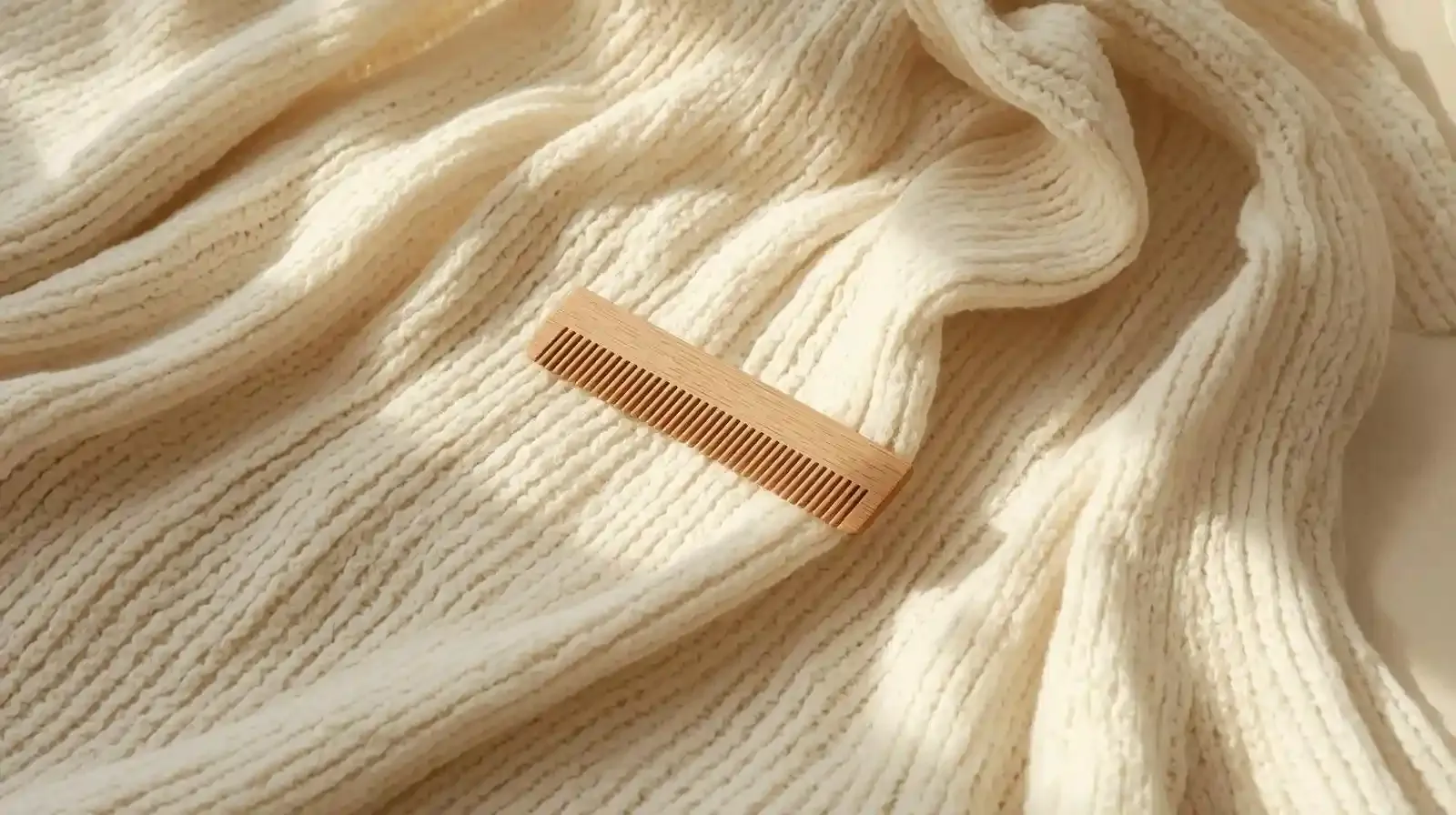
Pilling is the formation of small balls of fiber on a fabric surface, caused by friction during wear and washing. For apparel buyers, pilling is not just a consumer complaint — it is a specification and quality issue that should be defined before production, not discovered after the goods ship.
This guide explains the factors that drive pilling and how to specify and verify pilling performance in a manufacturing context.
What Causes Pilling
Fiber Length
Short fibers pull loose from the yarn more easily than long-staple fibers, so yarn and fiber length is one of the first things to confirm when evaluating a fabric for a loungewear or knitwear program.
Fiber Composition
Blends of natural and synthetic fibers can be more prone to pilling, because the stronger synthetic fibers hold broken natural fibers in place instead of letting them shed.
Yarn Twist and Structure
Tighter yarn twist and more uniform yarn structure generally reduce pilling, since the fibers are held more firmly within the yarn.
Knit Structure and Gauge
Knit structure and gauge affect how much fiber surface is exposed to friction. Brushed surfaces, in particular, expose more fiber ends and should be checked more carefully.
Friction and Washing
Friction during wear and washing is the trigger. High-abrasion areas such as underarms and side seams are typically the first places pilling appears.
Pilling Test Method
Confirm which pilling test the supplier will run and against which standard or reference. Pilling tests simulate rubbing and grade the result against a visual scale, and the buyer should agree on the method, the number of cycles, and the grading reference before testing.
The correct acceptance grade depends on the fabric type, end use, and the standard you adopt — agree the target with your supplier and record it in the tech pack.
Buyer Acceptance Criteria
A clear acceptance criterion answers: which test method, which grading scale, what minimum grade is acceptable, and what happens if a batch falls below it. Record this before bulk so there is no ambiguity at inspection.
Sample Approval
Pilling performance should be evaluated on the approved sample and on the same fabric as bulk, not a different development lot. If the fabric, brushing level, or supplier changes, re-confirm pilling before bulk.
How to Specify Pilling in the Tech Pack
Write the pilling requirement into the tech pack as a measurable line item: the test method, the target grade, the acceptance tolerance, and the wash conditions. Where the garment carries a care label, make sure the care instructions are consistent with the fabric's tested washing behavior.
What to Confirm Before Bulk Production
Before bulk, confirm: the approved fabric and supplier, the pilling test method and result on the bulk fabric, the acceptance grade, and the wash conditions used for testing. If any of these differ from the sample approval, resolve them before production starts.
Specifying Pilling Resistance With Us
We control pilling through fiber choice, yarn twist and knit structure, and we test before bulk production. Tell us the grade your market expects and we confirm what is achievable for your fabric and price point before you order.
Check the first-PO readiness checklist to spec it correctly, or request a quote with your fabric and testing requirements.
Explore More Styles in Our Apparel Catalogs
More silhouettes from every SML INTIMATE line are collected on the apparel catalogs page - a quick way to shortlist styles before sending an inquiry.
Related Products
The following products are manufacturing references where brushed or knit surfaces and pilling performance matter: